How To Dispose Of Your Beco Disposable Responsibly
Every single day, countless single-use items end up where they should not be. This creates a serious problem for the environment. Many people want to do the right thing but feel confused about the proper way to discard these items.
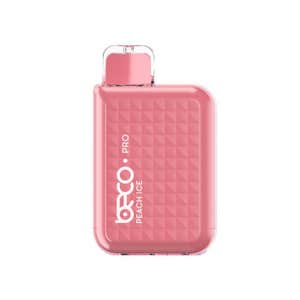
Tossing a used item into any bin without thinking adds to the growing waste crisis. Doing this responsibly is a smart choice that protects the planet. This guide explains the correct way to dispose your Beco disposable with care.
The importance of responsible disposal
Responsible disposal is not complicated, but it does require a little thought. Most people do not realize that many everyday items can harm the soil and water if they break down in the wrong place. When waste is handled correctly, fewer resources are wasted, and less pollution enters the air.
Taking a few extra seconds to sort waste properly makes a huge difference over time. The future depends on everyone doing their small part. Every responsible action helps keep the community clean.
Check local guidelines first
Rules for disposing of different waste materials vary a lot from one place to another. Local waste management systems have their own set of instructions for what can go where. Some items might be accepted in recycling bins, while others have to go to special collection points.
Reading the local guidelines is the first smart step. This information is usually easy to find on the local government website or on the bin itself. Following these rules ensures that waste is processed correctly.
Empty and clean the item properly
Before putting any used item into a bin, it is important to ensure it is empty. Leftover contents can cause problems at the recycling facility and contaminate other materials. Giving the item a quick rinse is a helpful practice.
This prevents unpleasant smells and keeps pests away. It also makes the processing work easier for the people handling the waste. A clean item is always easier to recycle or compost.
Separate different parts correctly
Many single-use products are made from a mix of materials like plastic, paper, and metal. These different parts often need to be separated for proper recycling. For instance, a cardboard outer sleeve should be removed from a plastic liner. Each material then goes into its designated bin.
Taking a moment to pull the pieces apart ensures that nothing goes to the landfill by mistake. This small effort increases the chance of the materials being used again.


